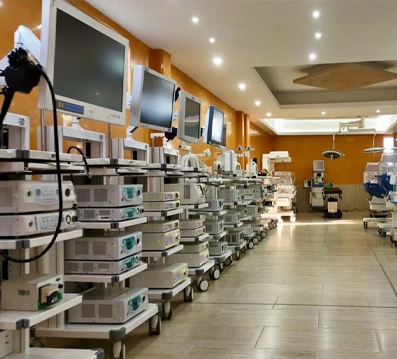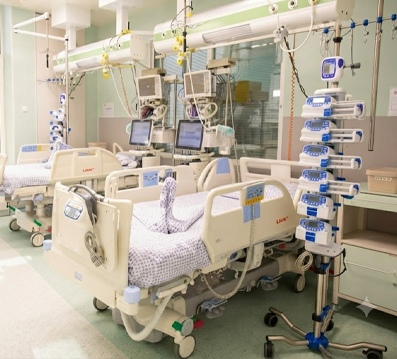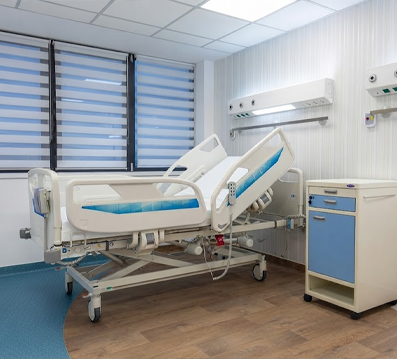
There are several things that go into delivering quality patient care: keen observation, quick medical decision-making, and appropriate medical equipment. Whether in a hospital setting, a clinic, or a critical care area, doctors and health professionals look for reliable data on a patient’s condition. Here is where patient monitoring equipment can be of importance. These medical devices enable staff to monitor vital signs, detect a shift in health status, and inform treatment decisions.
With the increasing demand for quality healthcare services, hospitals across Delhi NCR, New Delhi, Noida, Ghaziabad, Greater Noida, and Haryana require suitable medical equipment to support patient care. Understanding different monitoring devices can help healthcare facilities choose products according to their clinical needs. Med trade Systems offers hospital furniture and medical equipment solutions for healthcare facilities.
Patient Monitoring Equipment
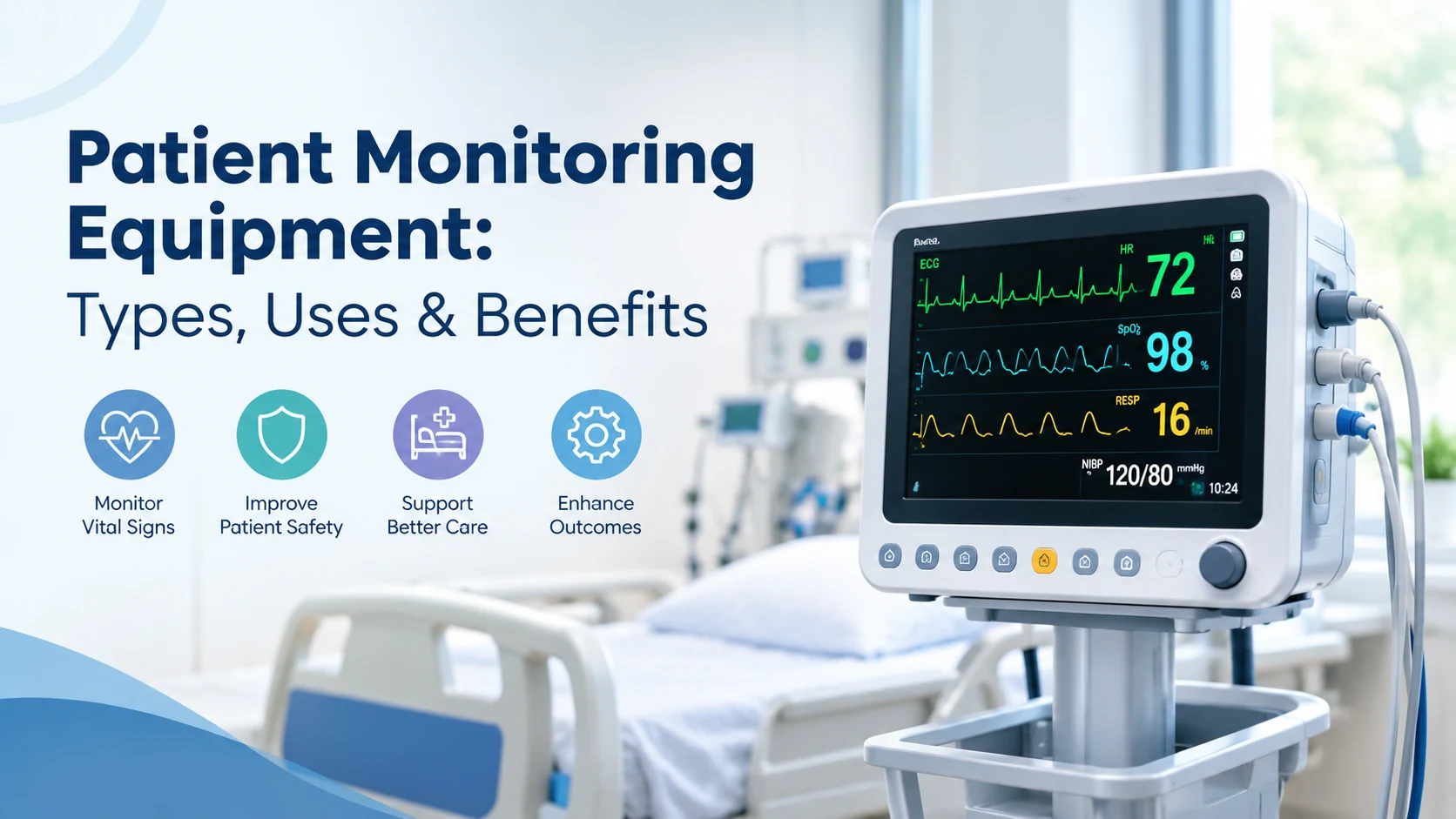
The purpose of patient monitoring equipment is to give health professionals an overview of a patient’s vital signs (pulse, blood pressure, respiration, oxygen saturation, temperature). These devices display changes in these metrics and have the effect of providing a clearer representation of a patient’s condition and response to care. To name a few places they may be found, these monitors are in place in places such as intensive care and emergency rooms, operating rooms, and hospital wards. Some monitors perform continuous screening, whereas others perform screening at scheduled intervals. This helps identify early warning signs that teams of clinicians need to be aware of and when action may need to be taken.
Types of Patient Monitoring Devices
Hospitals use different monitoring devices because patients’ observation needs vary according to their condition, treatment, and care setting.
Some of the most common devices used in hospitals are:
ECG Monitors: These devices record the electrical activity of the heart and are used to monitor heart rate and rhythm.
Pulse Oximeters: These measure oxygen saturation in the blood and pulse rate.
Blood Pressure Monitors: These devices measure blood pressure and changes during patient care.
Temperature Monitors: These devices measure body temperature and spot changes that may need attention.
Foetal Monitoring Equipment: Used in Maternity Care for monitoring foetal heart rate and other parameters related to pregnancy.
Bedside Patient Monitors: These monitors enable various vital signs to be monitored at the bedside of a patient. The appropriate device depends on the type of healthcare institution, the bedroom & its patient monitoring needs.
Multi-Parameter Patient Monitor
A multi-parameter patient monitor displays multiple vital signs on a single screen, including ECG, heart rate, SpO2, NIBP, respiration, and temperature, depending on its configuration. These monitors are commonly used in ICUs, emergency departments, operation theatres, and recovery rooms to help healthcare professionals assess and monitor a patient’s condition.
Before purchasing a multi-parameter patient monitor, health care facilities should consider the following:
- Number of parameters needed for patient monitoring.
- Screen size and visibility
- Alarm settings and notifications
- Appropriate sensor and accessory availability
- Power backup
- Compatibility with the desired clinical environment
With the current technological advancements, many hospitals take into consideration the variety of features offered when choosing a monitor. The knock-on effect is that you pick a device because it has the most features, not because it’s the one you need for your specific setting.
Vital Signs Monitoring
Vital signs help doctors know how patients are faring. It can monitor vital signs such as heart rate, blood pressure, oxygen saturation, respiratory rate, and temperature. It is useful for healthcare professionals to regularly monitor patients, particularly those who need close monitoring. Nevertheless, these devices aid in medical decision-making but never replace professional assessment.
Patient Monitoring Systems
Due to the incidence of complex, evolving health conditions of patients, many mental health cases are monitored in the Intensive Care Unit (ICU) and emergency departments. Patient monitoring recognizes abnormalities and changes, shows vital readings to frontline staff, and analyses changes needed by the healthcare team. In the ICU, there may be additional monitoring responsibilities such as heart rate, ECG, oxygen saturation, blood pressure, and respiration. Specific requirements are based on the patient’s condition and the medical team’s intervention plan.
Briefing devices in emergency departments can help with initial assessment and observation of patients requiring treatment. Hospitals in Delhi NCR and around can evaluate monitoring solutions on the basis of patient capacity, existing facilities, clinical requirements, and equipment maintenance.
Medical Monitoring Equipment
Every healthcare establishment has to use the same type of monitoring equipment. Machines like advanced bedside monitors for critical care might be required only in large hospitals, whereas smaller clinics may need only basic handheld devices for routine assessments of my patients.
Criteria for selecting medical monitoring equipment:
- Dispositions of patients in the facility
- Number of beds/monitoring points
- Clinical departments + services needed
- Monitoring parameters required
- Staff training and ease of use
- Maintenance protocols, accessories, and after-sales support
In addition, healthcare facilities should verify product specifications, manufacturer® instructions, warranty details, and relevant regulatory requirements before reaching their equipment purchase decision.
Wireless Patient Monitoring
Modern wireless patient monitoring systems allow remote observation and data transfer, enabling the healthcare team to access critical patient readings without the need of wired connections. Before selecting these systems, healthcare facilities should first evaluate connectivity, data security, compatibility, accuracy, and clinical requirements to make sure they fit their existing workflow.
Choosing Patient Monitoring Devices
With more than price comparisons in consideration of what makes for the proper appliances for patient monitoring- Hospitals and clinics should just need to figure out what they need and take the time to evaluate the equipment.
Key Points to Consider:
Clinical Needs: Which vital signs are important to monitor in the patients in that facility?
Device Layout: Look at the parameters, options on measurements, and available accessories to the monitor.
Simple to Use: Select equipment that is easy to operate; the screen and controls are very clear for physicians, nurses, etc.
Alarm Features: Take the time to look at alarm options and settings that match the clinical use case.
Product Support: Consider the warranty, maintenance, availability of optional accessories, and tech support.
Financial Planning: Evaluate the value, features, and long-term maintenance requirements to make an informed decision.
This helps healthcare facilities evaluate their equipment requirements and choose suitable solutions that support patient care activities. Exploring hospital furniture for healthcare facilities can also help hospitals understand the importance of selecting appropriate furniture for their clinical environments.
Medical Equipment Suppliers in Delhi NCR
Let me say the availability, pricing, offers/minimum order value, and the suppliers preferred for the required medical equipment vary from one hospital to the next, as every hospital/healthcare centre has different suppliers for medical equipment. It is important for each enterprise to find suppliers who know their business and can provide relevant product information.
So if you are a healthcare facility looking for patient monitoring equipment in Delhi, medical equipment suppliers in Noida, hospital equipment from Ghaziabad, or medical equipment from Greater Noida, here are the product specifications, availability, service support, and supplier credentials you should verify. We recommend paying attention to delivery setup, installation logistics, and ongoing technical support (if any) for large ranges spanning across Haryana and Greater Delhi regions.
One of the best ways to identify buying needs with an experienced medical equipment supplier it is. Buyers confirm detailed information on product name, model, configuration, accessories, terms, and placing the order.
Medical Equipment for Better Patient Care
Medical equipment helps healthcare professionals monitor patients and support daily hospital care. Choosing suitable devices, ensuring proper training, and maintaining equipment are essential for effective use. For information about medical equipment and hospital furniture, contact Medtrade Systems to discuss your healthcare facility’s requirements.
Conclusion
Medical Equipment Equipping Your Hospital: With the right tools of the trade, you can make patient care better and improve the effectiveness of equipment. This can help your hospital staff who use the tools.
Whenever they purchase products, such as patient monitoring devices or hospital furniture, they should base their decision on their clinical needs, quality, and purpose. Medtrade Systems is a medical equipment solutions provider for hospitals and healthcare centres in Delhi NCR, with an extensive assortment of products designed to meet healthcare needs.